Introduction
Saunas have been part of human wellness rituals for thousands of years. While often associated with Nordic countries, sauna culture exists across continents each with its own traditions, etiquette, and purpose. From quiet personal rituals to social gatherings, saunas reflect how different cultures approach health, relaxation, and community.
Finland: The Birthplace of Sauna Culture
Finland is widely considered the spiritual home of the sauna. With millions of saunas across the country, the practice is deeply woven into everyday life. Finnish saunas emphasize:
-
Dry heat
-
Silence or quiet conversation
-
Alternating heat with cold exposure
Saunas are used for relaxation, recovery, social bonding, and even important life moments.
Japan: Balance and Mindfulness
In Japan, sauna culture blends seamlessly with mindfulness and bathing traditions. Saunas are often paired with hot baths and cold plunges, emphasizing:
-
Mental clarity
-
Cleanliness
-
Calm, respectful environments
The experience focuses as much on mental well-being as physical relaxation.
Germany & Central Europe: Social Sauna Experiences
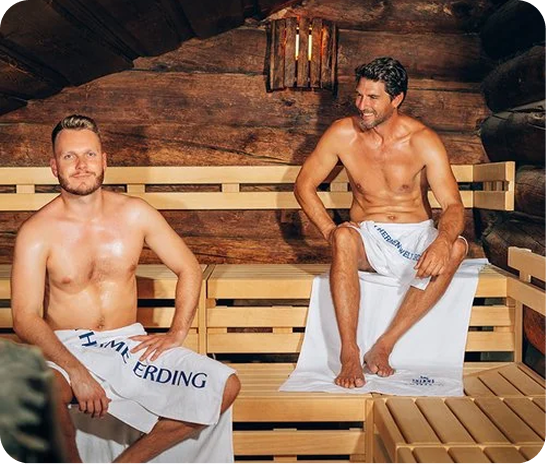
German sauna culture is highly social and ritual-based. Many facilities include:
-
Aufguss ceremonies (guided steam rituals)
-
Mixed-gender saunas
-
Community wellness spaces
Here, sauna is not just heat — it’s a structured wellness event.
North America & Modern Wellness
In many parts of the world, sauna culture is evolving. Modern wellness centers blend:
-
Traditional sauna practices
-
Infrared technology
-
Cold therapy
-
Luxury spa experiences
Saunas are increasingly viewed as essential tools for recovery, mental health, and performance.
Conclusion
No matter where you are in the world, sauna culture shares a common goal: restoration. Understanding these traditions helps you choose experiences that align with your lifestyle and wellness goals.